
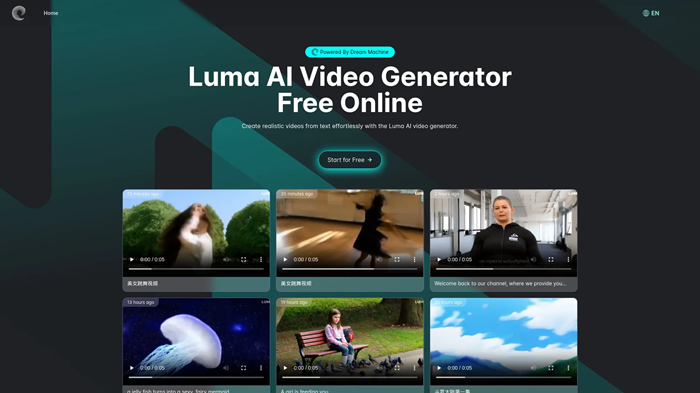
AI video creation has become a practical way to quickly produce videos for advertising, training, social media and internal presentations. Modern models can generate scenes based on text descriptions, animate images, assemble clips from templates, synchronize lips with speech and select music, saving time on manual editing.
In order for the result to look convincing and correspond to the task, it is important to follow the rules of AI Video Generator: think through the script, correctly formulate queries, control the style, check facts and legal aspects. Below are structured tips that will help you get consistent quality and spend less time trying to “do it over again.”
Preparation: goal, script and source materials
Start with a goal: selling, explaining, engaging, or demonstrating the product. The duration, pace, frame format (vertical/horizontal), text density and the number of “hooks” in the first seconds depend on the goal.
A script is needed even for short videos. Break your video down into logical blocks: introduction > main idea > evidence/example > call to action. For 15–30 seconds, 4–6 scenes are enough, for 60–90 seconds – 6–10 scenes.
Checklist before generation
- Audience: who is watching, what they already know, what objections are there.
- Tone: neutral, friendly, expert, dynamic.
- Format: 9:16 for short platforms, 16:9 for YouTube/presentations.
- Materials: logo, brand colors, product photos, sample frames, references.
- Restrictions: you cannot show employees’ faces without consent, you cannot use other people’s images without a license.
Setting the goal of the video and measurable outcome criteria
Formulate the goal so that it can be verified: not “tell about the product”, but “get X applications”, not “increase awareness”, but “increase the share of inspections and direct clicks”. Next, the goal is translated into criteria: measurable metrics, deadlines, audience, display conditions and a minimum standard of content quality.
How to turn a goal into a verifiable result
1) Record the type of goal (one main focus): information, persuasion, conversion, retention, support/training.
2) Formulate the goal in the form of a formula: “For the audience, through the message and format, to obtain an action/change within a period of time.”
3) Determine KPIs before editing, otherwise you will have to adjust the reporting to the finished video.
- Audience: who exactly, what viewing context, what objections and motivations.
- The promise of the video: what is the value to the viewer in the first 3-7 seconds.
- CTA (call): one targeted action, without competing options.
- Restrictions: duration, venue, tone, legal requirements, brand guides.
- Success/failure criterion: threshold values of metrics and evaluation period.
Examples of measurable criteria (select 3–5 main ones, the rest are diagnostic):
Mini checklist before publication (so that the goal does not “break” at the final):
- First seconds: the promise of value and context are clear without further explanation.
- CTA: formulated specifically (what to do, where, when) and visually/vocally supported.
- Metrics tracker: UTM/events/pixels configured before launch, measurement window defined.
- Improvement plan: 2-3 options for hook, cover, length or script flow for A/B are prepared in advance.
Bottom line: set one main goal, translate it into measurable criteria and fix success thresholds before generation and installation. Then AI will become a tool for acceleration and testing, and the result will be predictable: you didn’t just “make a video,” but achieved a specific effect that can be confirmed by numbers.